

Why Tile Grout Becomes Dirty and Discoloured
Grout is porous and slightly recessed below the tile surface. Dust, soil and moisture can settle into the joint, where normal mopping may not reach. Repeated traffic then presses contamination deeper into the grout tile line. Bathrooms often develop soap residues, body oils and moisture-related black marks. Kitchens can collect grease and cooking oil. Entrances and commercial floors usually hold general traffic dirt, grit and fine particles brought in from outside.Surface Dirt Versus Ingrained Contamination
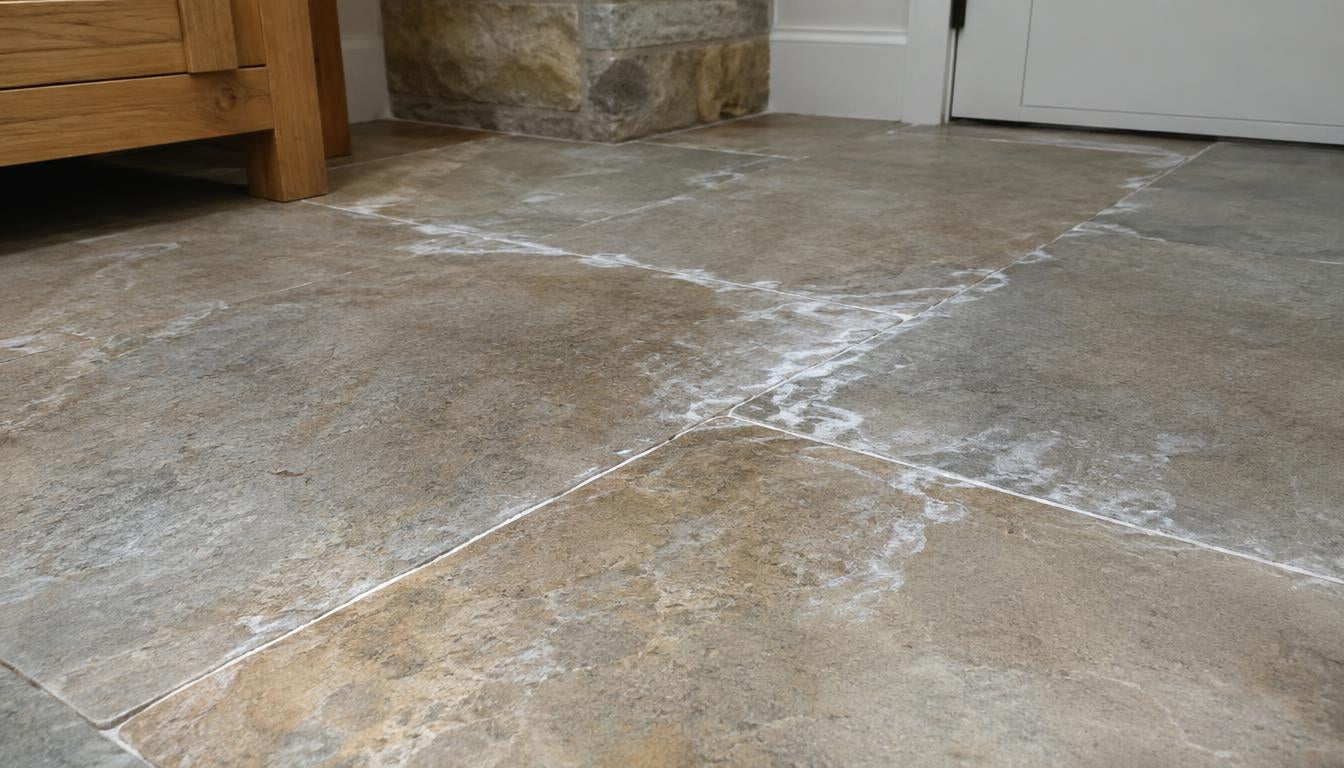
Surface dirt usually responds to regular cleaning with a suitable neutral product and a soft brush. Ingrained contamination needs controlled dwell time and mechanical agitation before the cleaning solution is removed. Black grout is not always simple dirt. It may indicate mould-like growth, trapped soil, failed sealer or damaged grout. Cleaning cannot correct missing joints, cracks or powdering material.
Why Grout Can Hold Contamination
Small pores and an uneven joint create more surface area than the face of a tile. Dirty water can also dry back into the joint if it is not extracted or collected promptly. This is why a floor may look better while still holding soil below the surface.Choose the Correct Grout Cleaner for the Surrounding Surface
Identifying the tile and adjacent material must come before selecting a stronger cleaner. The same tile grout cleaner may not be suitable beside natural stone, soft glazed surfaces, metal trims or sensitive sealants.Neutral and Alkaline Cleaning Products
A neutral grout cleaner is useful for routine maintenance and lighter soil. An alkaline grout cleaner is generally more suitable for grease, oil, traffic film and heavy organic residues, provided the surface is compatible. Inappropriate acidic cleaners can etch calcareous natural stone, weaken cement-based joints and affect surrounding finishes. Acid is not a universal answer for discoloured grout. Stronger does not always mean better.Natural Stone
Use a tested, compatible cleaner around limestone, marble, travertine and other sensitive stone. Avoid unverified acidic products and keep dwell time controlled.Porcelain and Ceramic
Porcelain is dense, while ceramic tiles may have a more sensitive glaze. Check joints, coatings and trims before applying an alkaline floor grout cleaner.
Select a formulated tile and grout cleaner
Review a concentrated cleaner designed for stone, tile and grout, then confirm compatibility and dilution before use.
Preparation Before You Clean Tile Grout
Remove loose dust and grit first. Dry vacuuming prevents abrasive particles from spreading during wet cleaning. Clear furniture, protect nearby painted surfaces and provide ventilation. Read the product label, prepare the correct dilution and wear suitable gloves and eye protection. Do not mix cleaners. Keep children, pets and unprotected occupants away from the working area.Test an Inconspicuous Area
Apply the diluted grout cleaner to a hidden section. Check the grout, tile face, sealant and trim during and after rinsing. Continue only when there is no colour change, etching, tackiness or surface damage.
Use the Right Grout Cleaning Brush
A narrow grout cleaning brush should fit the joint without scraping the tile edge. Nylon bristles work for many cement-based joints. A softer brush is safer for worn grout, decorative finishes and delicate areas. Choose tools that allow controlled pressure. Excessive scrubbing can remove weak grout, open joints and create a rougher surface that traps future dirt.Step-by-Step Professional Grout Cleaning Method
- Prepare the area. Vacuum loose dirt, remove obstacles and protect adjoining surfaces.
- Identify the surface. Confirm whether the tiles are porcelain, ceramic or natural stone, then test the selected cleaner.
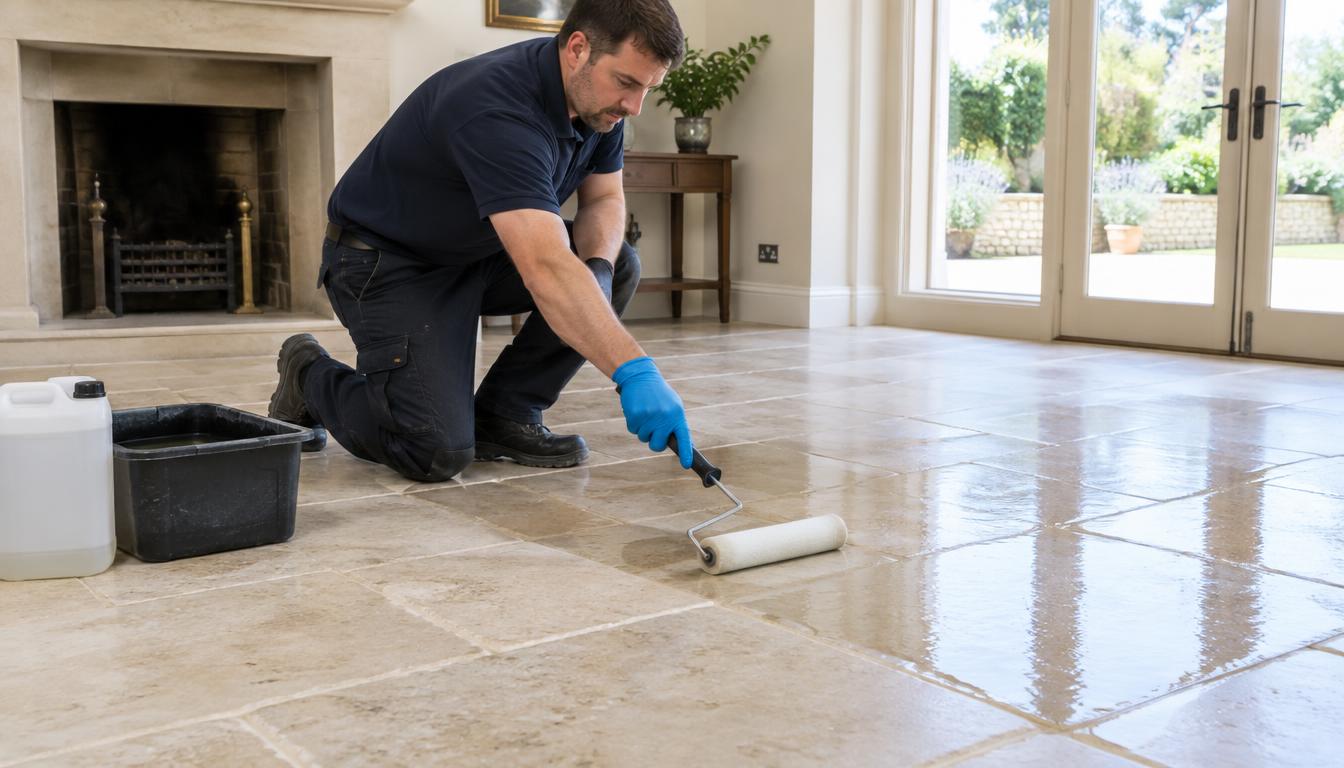
- Apply the solution. Work in small areas so the cleaner remains active and can be removed before drying.
- Allow dwell time. Follow the product instructions. The solution should stay wet long enough to soften soil, not dry onto the floor.
- Agitate the joints. Use a grout brush with steady strokes. Focus on corners, entrances and high-traffic paths.
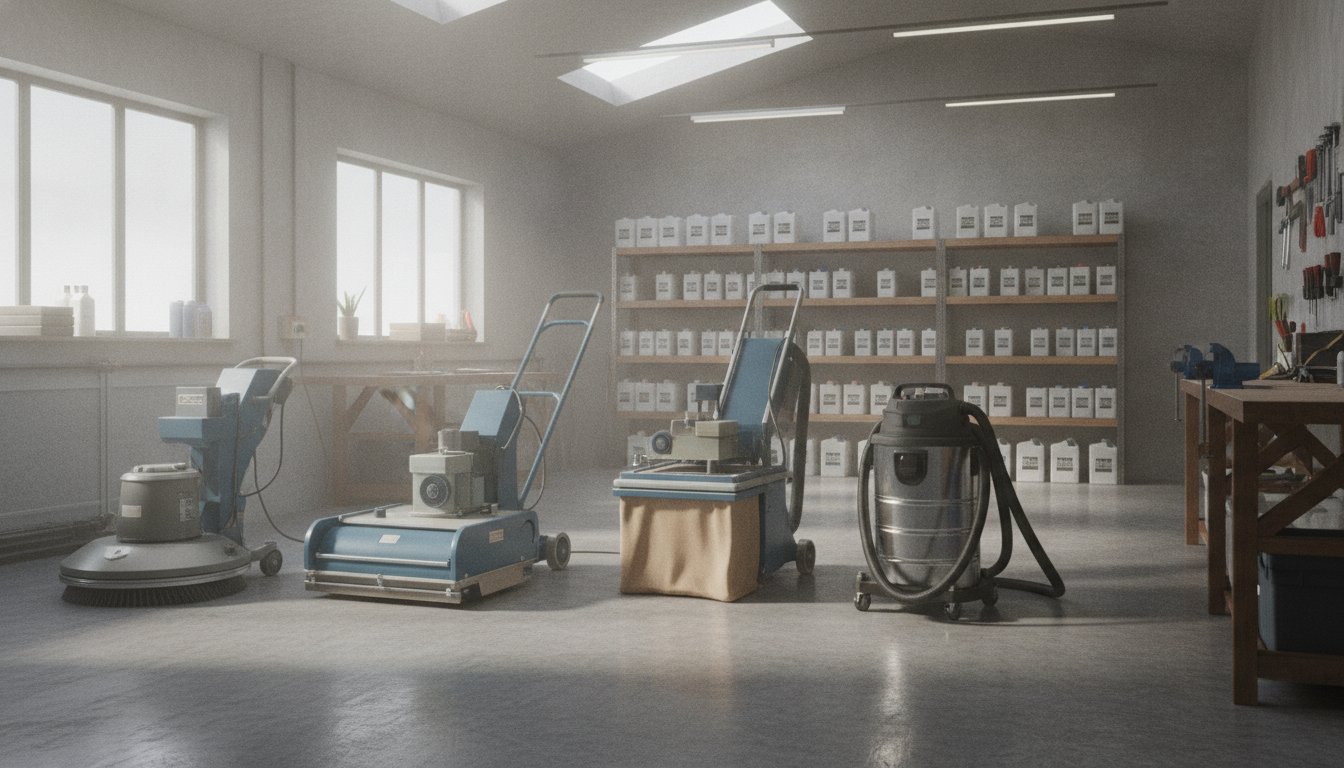
- Use a machine where suitable. A rotary machine with the correct brush or pad can improve productivity on robust commercial surfaces.
- Rinse and remove soil. Collect dirty solution with a wet vacuum, extraction machine, mop system or absorbent method.
- Inspect after drying. Repeat cleaning only where contamination remains and the grout is structurally sound.

Dwell Time and Mechanical Agitation
Dwell time depends on the product, soil load, temperature and surface. A short working period may suit light dirt, while heavy grease may need longer contact. Never allow the solution to dry. Brushing breaks the bond between soil and grout. Agitation should be methodical rather than harsh. A rotary machine is useful for larger areas when the floor, grout and brush are suitable for machine cleaning.Plan a deeper cleaning process
Compare chemical solutions and specialist products for controlled grout cleaning, machine work and repeat maintenance.
Rinse, Extract and Inspect the Cleaning Solution
Dirty cleaning solution must be removed rather than left to dry back into the grout. Dry-back can redeposit loosened soil and leave a dull film on the tile face. Rinse with clean water in manageable sections. Use wet extraction where available, especially on commercial floors, textured tiles and areas with heavy contamination. Change rinse water often.Small Areas
Use clean water, a sponge and absorbent cloths. Rinse the sponge frequently.Large Floors
Use a wet vacuum or extraction system to collect solution before it spreads.Final Inspection
Allow the area to dry, then check grout colour, residue and remaining stains.
When Repeat Cleaning Is Needed
Deep clean grout may require two controlled passes. Repeat cleaning is appropriate when the joint is sound and the first pass has removed some soil without fully restoring the colour. Do not keep increasing chemical strength when the joint is damaged. Crumbling, loose, cracked or missing grout needs repair, partial replacement or regrouting.Steam Cleaning Grout and Household Remedies
Where Steam Cleaning Can Help
Steam cleaning grout can help loosen light surface soil, soap residue and some grease. Heat and pressure can reach narrow joints without leaving large volumes of water. Steam is useful for detail work, edges and maintenance. It still needs careful movement, suitable attachments and post-cleaning removal of loosened soil.Limitations of Steam Cleaning
Steam does not automatically extract contamination. It may move dirty moisture across the floor, and excessive heat can affect sealants, coatings or sensitive materials. Test first and follow the equipment instructions.Why Household Remedies May Underperform
Bicarbonate mixtures and other household remedies may help with mild marks, but they do not provide consistent dilution, dwell control or extraction. Abrasive powders can also leave residue or alter the appearance of a joint.
Important Surface Warning
Steam and stronger cleaners should not be treated as risk-free. Natural stone, old grout, sealants and decorative tiles require a small test area and careful moisture control.Maintenance, Grout Sealer and Future Protection
Regular cleaning prevents traffic dirt and soap residues from becoming ingrained. Vacuum or sweep first, mop with a compatible product and remove excess water rather than spreading it across the floor. High-traffic commercial areas may need scheduled grout cleaning, while domestic floors often need a deep clean when routine maintenance no longer restores the joint. Frequency depends on use, moisture, soil load and ventilation.Can Grout Sealer Protect Future Appearance?
After the grout is fully clean and dry, a suitable grout sealer may help protect future soil penetration. Sealer does not repair damaged joints, remove existing stains or make maintenance unnecessary. Choose a grout sealer that suits the grout and surrounding tile. Follow curing instructions, prevent traffic during the stated period and remove excess product from the tile surface.
Protect a freshly cleaned floor
Find specialist cleaning and protection options for tile, grout and compatible hard-floor surfaces.
Frequently Asked Questions About Tile Grout Cleaning
What is the best way to clean very dirty grout?
Vacuum first, identify the surrounding tile, test a compatible grout cleaner, allow controlled dwell time, agitate with a suitable brush and extract the dirty solution. A second pass may be needed.
What do professionals use to clean grout?
Professionals use surface-compatible chemical solutions, grout brushes, rotary machines where suitable, wet vacuums and extraction equipment. Product strength is matched to the soil and material.
Can alkaline cleaner be used on grout?
Yes, an alkaline cleaner can suit grease, oil and traffic soil, but it must be tested first. Natural stone, sealants and sensitive finishes need particular care.
Does steam cleaning clean grout properly?
Steam can loosen light soil and soap residue, but it may not extract contamination. It works best as controlled detail cleaning followed by removal of dirty moisture.
Can a floor machine clean grout?
A floor machine can clean grout on suitable robust floors when fitted with the correct brush or pad. Test first and avoid excessive pressure on weak joints.
Why does grout turn black?
Black grout may result from trapped traffic dirt, moisture, soap residue, organic growth or failed sealer. The cause should be assessed before choosing a cleaner.
How long should grout cleaner be left to dwell?
Use the product instructions and keep the area wet during the working period. Dwell time varies with the cleaner, temperature and soil load.
Should grout be scrubbed after applying cleaner?
Yes, controlled scrubbing helps release softened soil. Use a brush suited to the joint and avoid pressure that removes sound grout.
Can the same grout cleaner be used around natural stone?
Not automatically. Confirm that the cleaner is suitable for the stone, test an inconspicuous area and avoid inappropriate acidic products.
How often should floor grout be deep cleaned?
Deep cleaning frequency depends on traffic, moisture and maintenance. Inspect regularly and clean when routine methods no longer remove visible soil.