
A suitable natural stone sealer can reduce staining and make routine care easier, but sealing is not a one-product decision. Stone type, porosity, finish, location and expected traffic all affect the correct choice.

Start with the stone and surface
Review the stone’s finish, porosity and location before selecting a stone sealer. This prevents appearance changes and avoidable application problems.
Why Natural Stone May Need Sealing
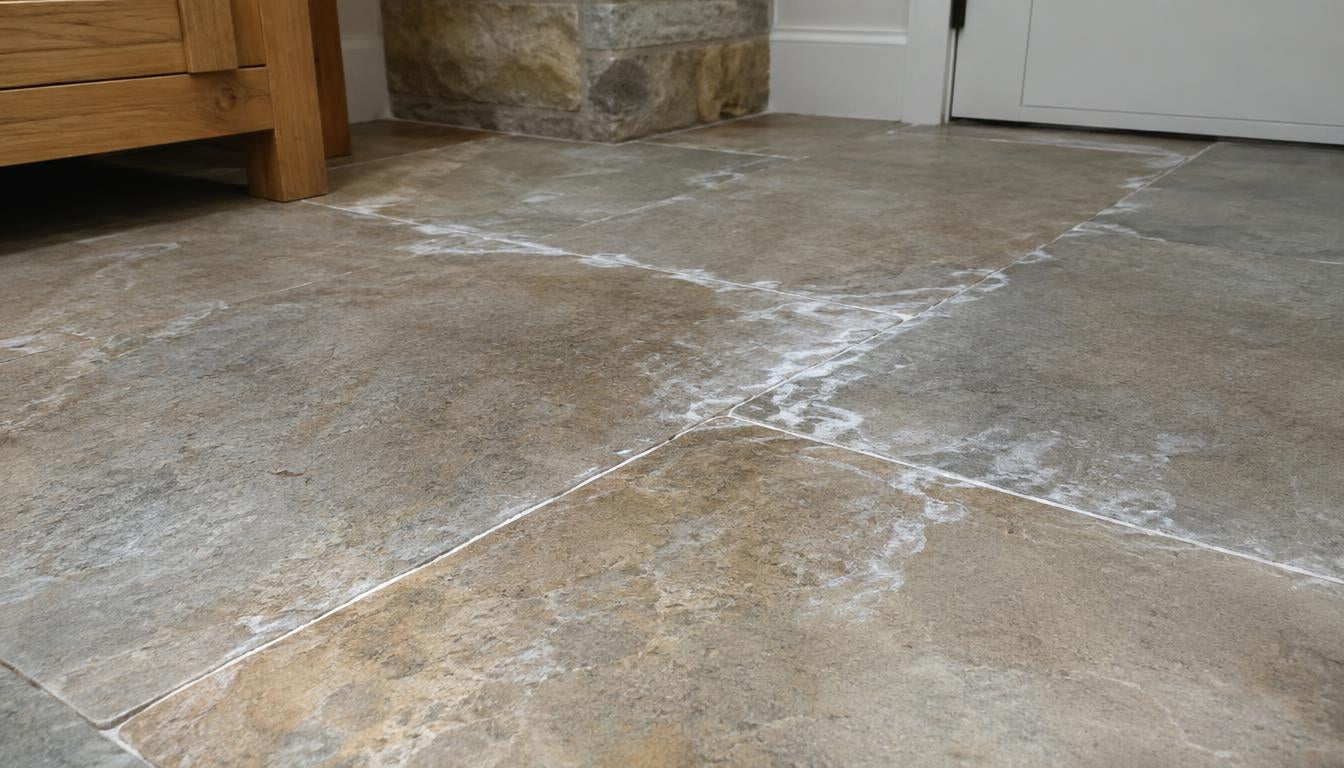
Natural stone contains mineral pores and small pathways that can absorb water, oil and spilled liquids. Porous surfaces may darken, mark or retain contamination more readily than dense, polished surfaces. Stone protection can slow this process, although it cannot make a floor completely stain-proof.
Not every installation needs the same treatment. A dense granite worktop may need a different sealer for natural stone from a porous limestone hallway. Interior and external areas also face different moisture, weather and traffic conditions.

Porous stone
Limestone, some sandstone and honed finishes can absorb liquids quickly. A penetrating or impregnating stone sealer may provide useful internal protection.

Dense stone
Granite and highly polished surfaces may absorb less. Testing remains essential because mineral composition and finish vary between slabs.

Finished stone
Honed and textured finishes often need more care than polished stone. Topical products may alter slip, texture or appearance if poorly matched.
Which Natural Stone Sealer Type Is Suitable?
There is no single best natural stone sealer for every project. The main categories behave differently and should be selected for the required appearance and level of protection.
Penetrating and impregnating
- Enter the pores rather than forming a heavy film.
- Usually preserve the existing appearance.
- Useful where stain resistance matters without a strong sheen.
Topical
- Forms a surface film or coating.
- May create a defined finish and added surface protection.
- Requires careful compatibility and maintenance checks.
Colour-enhancing
- Can deepen tones and emphasise natural variation.
- May create an uneven appearance on absorbent stone.
- Always test before committing to the full surface.

For marble, a suitable marble sealer should respect the polished or honed finish and should not be selected solely for gloss. Limestone commonly benefits from a compatible limestone sealer after a controlled test. Granite can be less absorbent, so a granite sealer should be assessed by a water-drop test and product guidance rather than assumption.
Compare the product category before buying
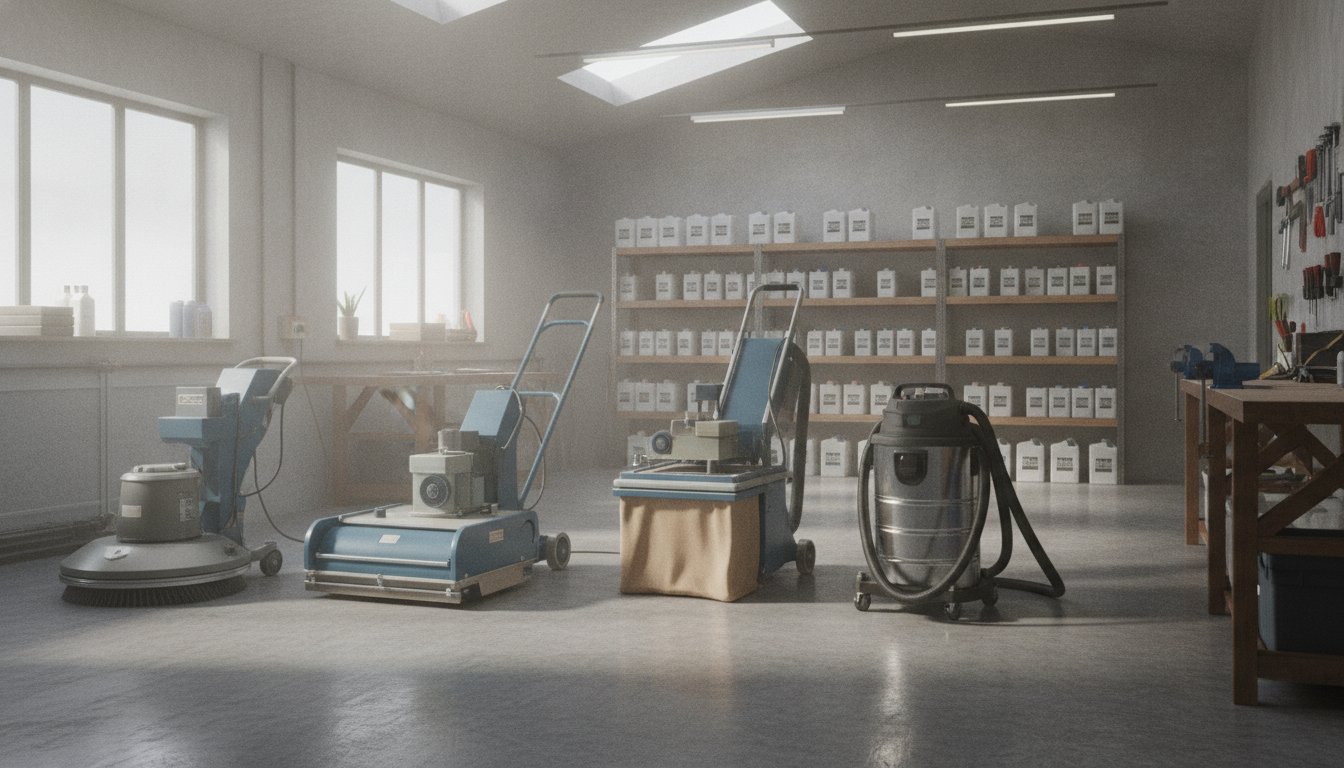
A technical range can help match protection, finish and application method to the project rather than relying on a generic stone sealer.
How to Apply Natural Stone Sealer Correctly
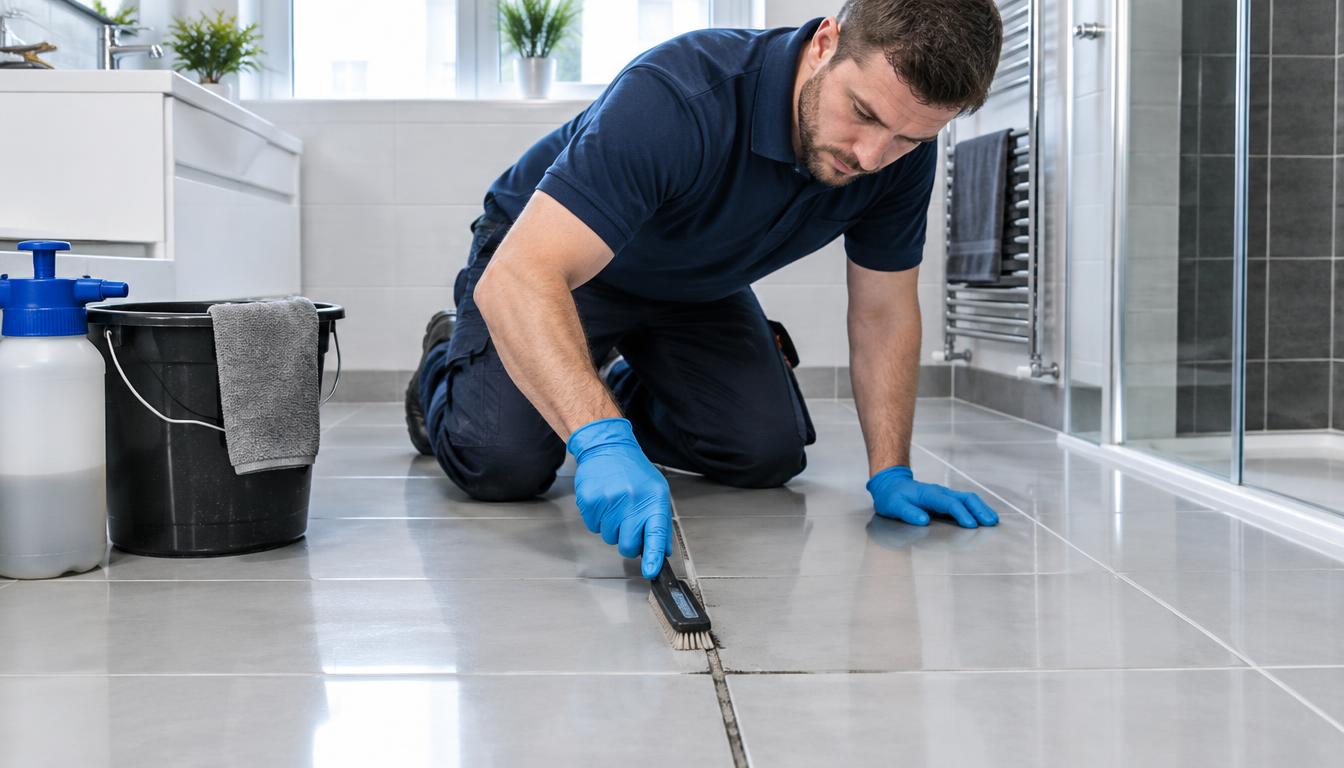
Good preparation controls the final result. Old coatings, detergent residue, wax and ground-in soil can stop a product absorbing evenly. Use a suitable cleaner, rinse where required and allow the surface to dry fully.

Prepare the surface
A concentrated stone and grout cleaner may be suitable for preparation, provided the label confirms compatibility. Remove residues and allow adequate drying time.

Test first
Apply the product to an inconspicuous area. Check colour, absorption, tackiness, sheen and ease of residue removal before wider application.

Apply evenly
Follow the label for coverage, tools and dwell time. A paint pad, roller or suitable applicator may be specified, depending on the product and surface.
Apply a thin, even coat and avoid puddles. Many problems occur when excess product remains on the surface. Remove residue within the stated minutes, then allow the recommended hours for touch dry and curing. Do not judge final performance before the product has cured.
Read the documentation: Product instructions, the technical data sheet and the safety data sheet provide essential information on coverage, ventilation, gloves, drying, recoat limits and safe disposal.
Plan the cleaning stage first
Use the restoration guide and compatible cleaning products to prepare the surface before sealing. Clean, dry stone gives the application a more reliable foundation.
Resealing, Maintenance and Frequently Asked Questions
Routine maintenance should use a compatible cleaner and avoid harsh products that can weaken a finish. Resealing intervals depend on traffic, water exposure, porosity, cleaning practice and the original application. A busy stone floor may require attention sooner than a lightly used room.

Does natural stone need to be sealed?
Not always. The decision depends on stone porosity, finish, location and intended use. Testing and manufacturer information should guide the choice.
What is the best type of sealer for natural stone?
A penetrating or impregnating sealer often suits porous stone where the existing appearance should remain. Topical and colour-enhancing products may suit other objectives, but compatibility must be checked.
Does marble need sealing?
Some marble benefits from stain protection, particularly in kitchens and bathrooms. Polished marble may absorb less than honed marble, so a test is still required.
Does limestone need sealing?
Limestone is often porous, but individual stones vary. A suitable limestone sealer can be considered after cleaning, drying and testing the surface.
Does granite need sealing?
Some granite is dense and needs little treatment, while other varieties absorb more. A water test and product data sheet can help establish suitability.
How often should natural stone be resealed?
There is no universal timetable. Inspect high-use areas and follow the product guidance. Resealing may be needed after absorption returns or protection visibly declines.
How do you know when stone needs resealing?
Water may darken the surface quickly, stains may become easier to create, or the finish may no longer behave as expected. Test a discreet area rather than relying on appearance alone.
Can natural stone be over-sealed?
Yes. Excess product can leave haze, stickiness, streaks or a patchy finish. Correct coverage, residue removal and curing are essential.
Should stone be cleaned before sealing?
Yes. The surface should be clean, residue-free and properly dry. Sealing over soil or moisture can trap defects and reduce even absorption.
How long does stone sealer take to cure?
Times vary by product, temperature, ventilation, humidity and porosity. Follow the data sheet, protect the surface during curing and do not return it to heavy use early.

Need help with an unusual surface?
Valuable, heavily stained, damaged, previously sealed or unusual stone may need professional assessment before any product is used. Gather photographs, stone details and the relevant data sheet.
Choosing a natural stone sealer should follow the evidence provided by the stone, its finish and its working environment. Careful preparation, a small test area, controlled application and proper curing provide a more dependable result than applying the most powerful-looking product.