
Worn stone, terrazzo, tile and resilient flooring can become a profitable opportunity. Our guide shows how to turn restoration skills, dependable equipment and careful planning into a professional flooring business in the UK.

1. Understand the Floor Restoration Market
Start with market research before buying equipment. Look at homes, hotels, schools, offices, retail units and public buildings in your service area. Record the floor types, visible damage, current providers and likely response times.
Commercial property managers often value reduced disruption and measurable quality. Homeowners may focus on appearance, trust and clear costs. Builders and contractors need reliable partners who can meet a programme without damaging completed flooring.
Turn research into a practical plan
List ten local properties, inspect their likely flooring needs and define one service package for each customer group.
2. Choose Profitable Flooring Services
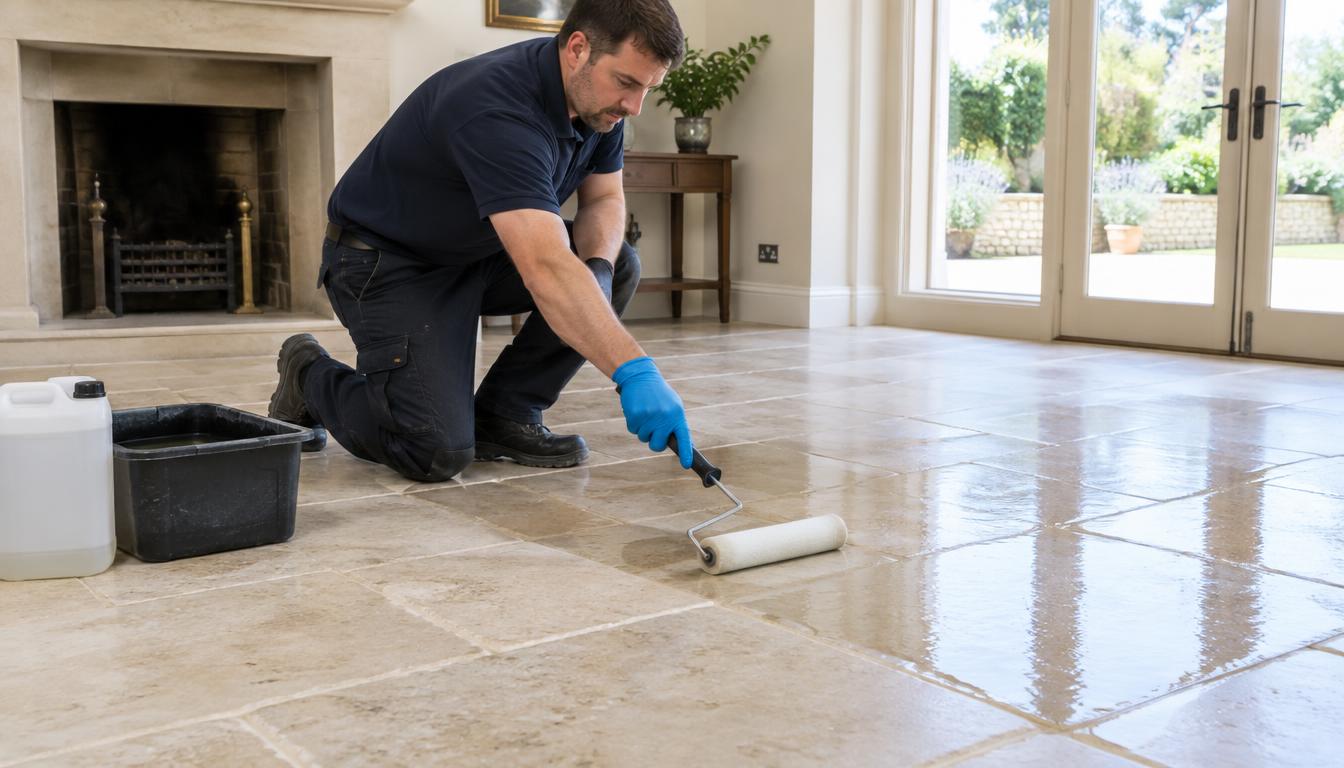
A new business should offer focused services rather than promise every type of work. Common options include stone cleaning, honing, polishing, sealing, tile and grout cleaning, scrubbing, maintenance and light polishing.
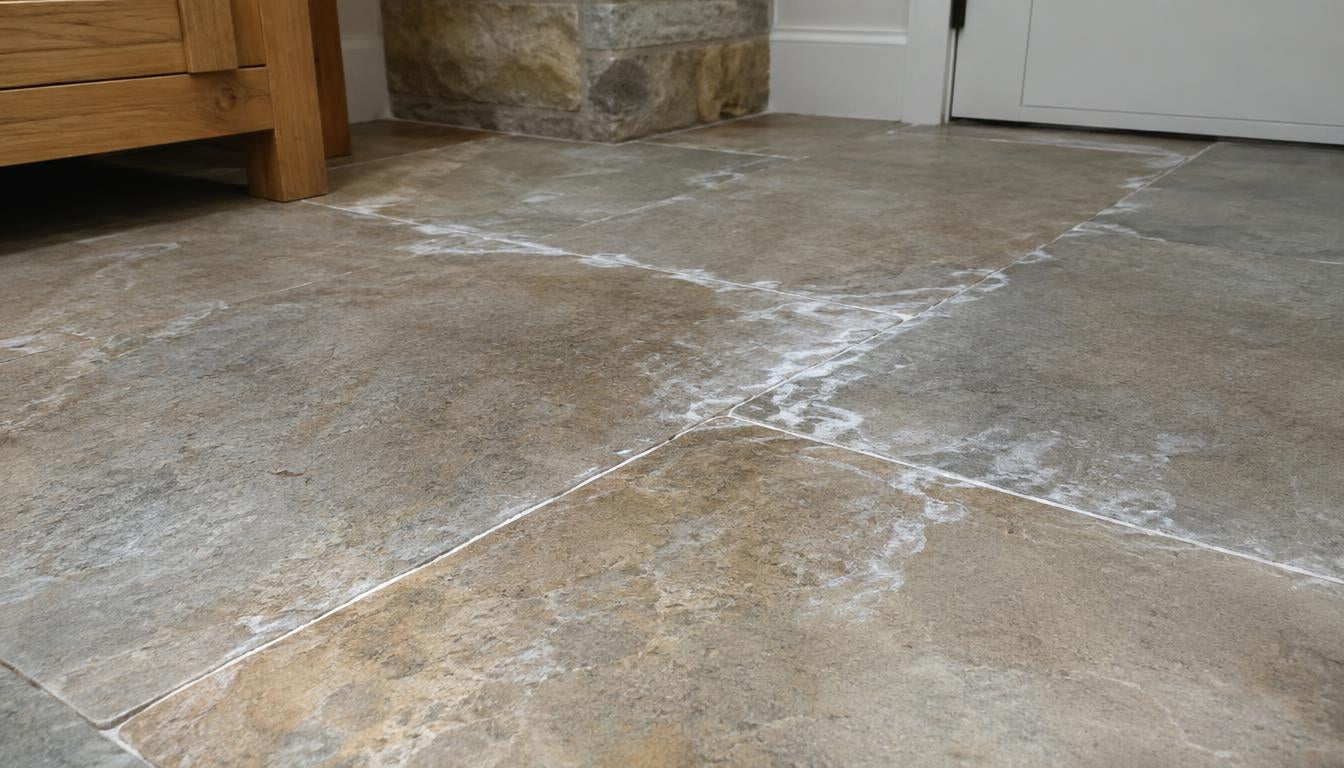
Restoration removes soil, scratches, stains and dullness. Honing creates a consistent satin finish, while polishing produces a brighter surface when the material allows it. Sealing helps protect porous flooring, but it does not replace correct cleaning or repair.
Stone and terrazzo
Use controlled cleaning, diamond abrasives, honing and polishing to improve appearance.
- Marble
- Terrazzo
- Limestone
Tile and grout
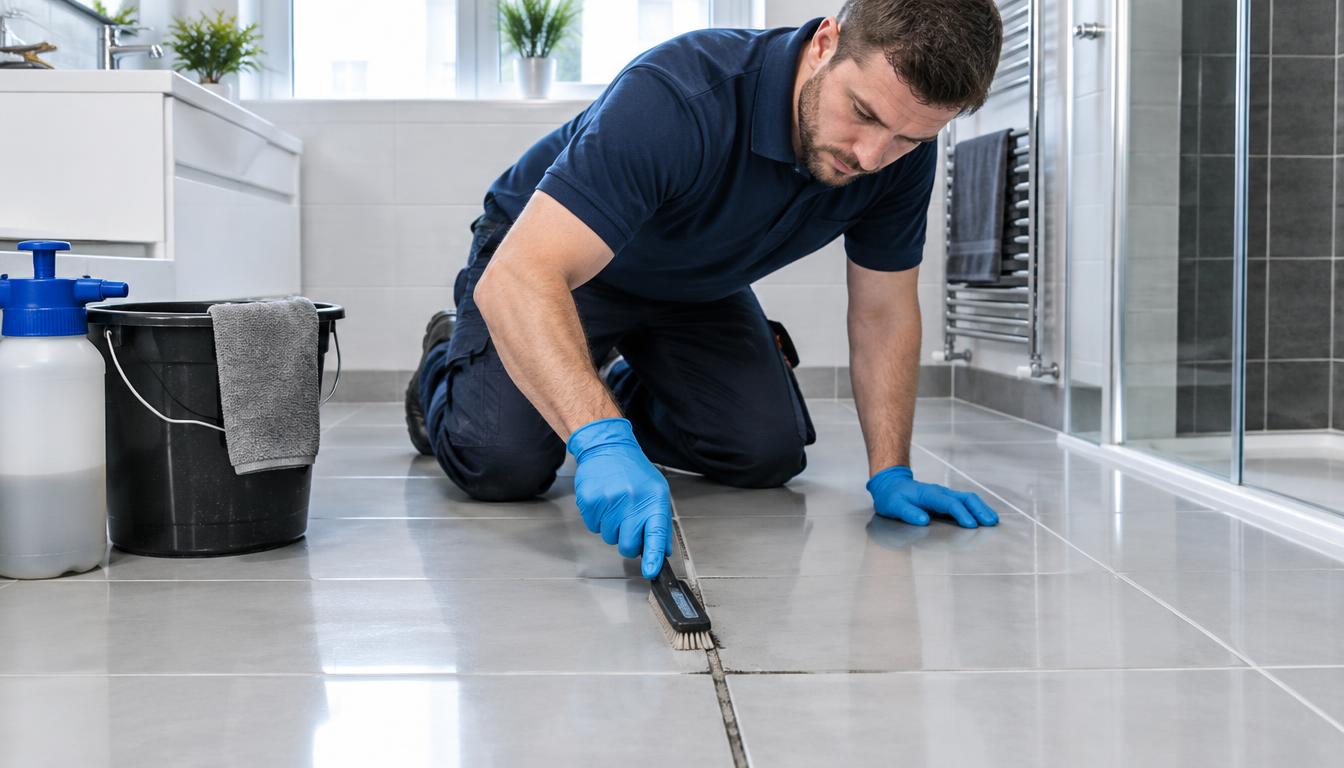
Deep scrubbing and suitable chemistry can refresh tired floors in homes and commercial sites.
- Grout soil
- Kitchen grease
- Sealing
Maintenance work
Scheduled cleaning creates recurring revenue and protects long-term customer relationships.
- Schools
- Offices
- Retail premises
3. Define Your Target Customers
Choose a primary customer before building your marketing strategy. A broad offer can work later, but a clear first audience makes every page, photograph and sales conversation stronger.
- Homeowners who need a damaged floor refreshed before sale or after renovation.
- Facilities teams seeking planned maintenance with minimal downtime.
- Property managers responsible for several buildings and budgets.
- Builders needing dependable flooring restoration after installation work.
- Contractors seeking a specialist partner for larger flooring projects.

4. Build a Clear Business Plan
Your business plan should explain the service area, customer groups, equipment, pricing model, marketing strategy and sales targets. Add a simple operations plan covering transport, storage, job timing, waste and equipment maintenance.
Estimate how many jobs are needed each month to cover fixed costs. Include fuel, insurance, accounting, advertising, consumables, repairs and your own working time. A conservative plan gives the business room to handle quiet periods.
Set measurable business goals
- Choose one launch area and two priority customer groups.
- Write three service packages with clear inclusions.
- Set a monthly sales target based on realistic capacity.
- Review results every four weeks and adjust the plan.
5. Estimate Start-up Costs and Funding
Costs vary with the floor services offered. A small start may require a rotary machine, pads, brushes, vacuum equipment, cleaning materials, transport, protective clothing and insurance. More advanced grinding and polishing work needs specialist machinery and greater funding.
Keep personal and business money separate. Open a business bank account, track every purchase and reserve funds for VAT, repairs and replacement tools. Leasing can protect cash flow, while buying may reduce long-term equipment costs.
| Cost area | What to plan for |
| Equipment | Machine, drive boards, pads, brushes and vacuum |
| Materials | Cleaners, sealers, abrasives and protective products |
| Operations | Vehicle, fuel, storage, maintenance and waste |
| Business | Insurance, software, accounting and marketing |
6. Register and Insure the Business in the UK
Choose whether to operate as a sole trader or limited company. Register with the appropriate UK authority, keep accurate records and check whether VAT registration applies to your turnover. Professional accounting advice can prevent expensive errors.
Arrange public liability insurance before entering customer premises. Consider employers’ liability insurance if people work for the business. Tool, vehicle and professional indemnity cover may also be suitable, depending on contracts and advice given.
Protect every job
Use written quotations, access notes, risk assessments and completion records. Confirm the floor material, expected finish, drying time and customer responsibilities before work begins.
7. Develop Restoration Skills Through Training
Training reduces failed jobs and builds confidence. Learn how different stone, tile, vinyl and safety flooring react to water, chemicals, heat, pressure and abrasion. Practical training should cover inspection, test areas, pad selection, stain treatment, sealing and safe machine control.
Begin with small, low-risk jobs and photograph the result. Never use an unfamiliar chemical or abrasive across a whole floor without testing a hidden area. Skills grow through repetition, careful notes and honest review.

8. Select Machinery, Tools and Materials
Build equipment around your first service list. Useful tools may include a rotary machine, drive board, brushes, pads, wet vacuum, pump sprayer, buckets, extension leads, moisture checks, hand tools and floor protection.
Consumables include tile and grout cleaner, stone soap, silicone carbide brushes, polishing pads, melamine pads and suitable sealers. Buy quality products that support repeatable results. Cheap tools can increase time, rework and customer complaints.
- Match machine weight and working width to access and transport.
- Check voltage, power, tank size, speed and replacement-part availability.
- Carry spare pads, cables, warning signs and protective sheeting.
- Store materials safely and follow every manufacturer instruction.

9. A Suitable Starter Kit for a New Flooring Business
The Klindex Rocky Complete Starter Kit is designed for a new floor cleaning and restoration business that needs versatile equipment from day one.
The Italian-made Klindex Rocky uses a 1.5 HP, 1300W motor and a heavy-duty metal gear transmission. Its 155 RPM speed, 17-inch working width and 18-litre solution tank support controlled commercial cleaning and maintenance work.
The package includes the 17-inch rotary machine, drive board, water tank, 120 grit Winnex silicone carbide brush, Restore-A-Floor tile and grout cleaner, stone soap, Discolux polishing pad and melamine cleaning pad.
These tools can support hard floor cleaning, tile and grout work, stone maintenance, marble, terrazzo, vinyl, safety flooring, carpet cleaning with suitable accessories, scrubbing and light polishing. It suits offices, hotels, schools, retail premises, industrial sites and public buildings.

Why the Rocky can support an early service range
The 41kg machine is substantial enough for professional work while remaining suitable for a focused start. The metal gear transmission is intended to reduce belt-related maintenance. The kit also provides core cleaning materials, helping a new operator avoid assembling every item separately.
Important notice
- Advanced grinding needs other equipment
- Training remains essential
Advantages for purchasing Starter Kit
- Ready-to-use professional package
- Versatile hard floor applications
- Fast UK delivery when in stock
- Italian build quality
10. Set Pricing and Protect Your Profit
Quote from measured floor area, condition, access, furniture, stain severity, finish and drying requirements. Separate preparation, restoration, sealing and aftercare where useful. Include travel, materials, labour, overheads and a contingency allowance.
Do not compete only on the lowest price. Explain the process, expected result and limitations. A professional quote makes quality visible and helps customers compare like with like.
Make every quotation clear
- State the floor material and measured area.
- Describe included preparation and protection.
- List materials, finish and estimated time.
- Explain exclusions, access needs and payment terms.
11. Build a Brand and Marketing Strategy
Use a clear business name, strong photographs and a consistent colour style. Your website should show services, service areas, evidence of quality, reviews, insurance details and a simple route to contact.
Create separate page content for stone polishing, tile and grout cleaning, sealing and commercial maintenance. Local search visibility improves when pages answer real customer questions and include accurate business details.
Recommended website & marketing company offering HUGE discounts for our customers | www.websitesdoit.co.uk | doit@websitesdoit.co.uk
Website
Explain the problem, process, result and next step on each service page.
Social media
Share preparation clips, before-and-after photos and useful maintenance tips.
Partnerships
Build relationships with builders, designers, cleaners and facilities teams.
12. Secure Your First Customers
Start with people who already trust your work. Contact local cleaners, builders, flooring installation teams, estate agents, letting agents and property managers. Offer a clear specialist service rather than a general promise.
Ask for a review after a successful job. Request permission to use photos, then record the material, method and finish. Local community groups and social media can create early awareness, but every claim must remain accurate.
Create a partnership route
Show contractors how our professional equipment and dependable process can help them complete flooring work with less disruption.
13. Plan Each Job from Inspection to Aftercare
A repeatable job process protects quality and reputation. Inspect the floor, identify the material, photograph damage and complete a test area. Then issue a written quotation and agree access, timing and the expected finish.
- Protect walls, furniture, entrances and nearby surfaces.
- Remove loose soil and complete the selected cleaning process.
- Use the correct pads, brushes or abrasives at controlled speed.
- Extract residue, rinse where suitable and allow drying time.
- Apply sealer or finish only when the surface is ready.
- Complete a final inspection and explain aftercare.

14. Manage Safety, Transport and Daily Operations
Complete a risk assessment for every site. Control wet surfaces, cables, chemicals, dust, noise and public access. Use gloves, eye protection, suitable footwear and other PPE based on the product safety data.
Plan loading before buying heavy equipment. Secure the machine in the vehicle, protect tanks and keep chemicals upright. Clean pads and brushes after work, inspect cables and schedule maintenance before a failure interrupts a customer job.

15. Your Practical Launch Checklist
Use this step-by-step guide to get started without losing focus.
- Complete market research and choose a service area.
- Write the business plan, budget and pricing model.
- Register the business and arrange suitable insurance.
- Complete practical training and test materials safely.
- Buy equipment that matches your first services.
- Publish a website with local service pages.
- Contact ten potential partners each week.
- Track quotes, conversion, time, costs and profits.

Avoid common early mistakes
Do not quote without testing the floor, buy advanced equipment before proving demand, ignore drying time or promise a perfect result on a damaged surface. Weak records, poor preparation and unclear exclusions also reduce success.
16. Frequently Asked Questions
Can a flooring business start with one rotary machine?
Yes, a focused business can begin with cleaning, scrubbing, tile and grout work, maintenance and light polishing. More advanced grinding or large restoration projects may need additional equipment.
What training does a new operator need?
Learn material identification, machine control, chemical safety, pad selection, sealing and customer protection. Practical supervised training is more useful than relying only on written guides.
How should floor restoration prices be calculated?
Measure the area, assess condition and access, calculate materials and time, then add transport, overheads, contingency and a suitable margin. State what the price includes.
Which insurance is important in the UK?
Public liability is a key starting point for work on customer premises. Employers’ liability may be required when staff are employed. Ask an authorised insurance adviser about vehicle, tools and professional cover.
How can a new flooring business find customers?
Use local search, a professional website, social media, referrals and partnerships with builders, cleaners, estate agents, facilities teams and flooring installation companies. Reviews and clear photos build trust.
Is the Klindex Rocky starter kit suitable for every restoration job?
No. It is a versatile rotary cleaning and maintenance package, with light polishing capability. Inspect each floor and confirm whether specialist grinding, dust control or other machinery is required.
Build a Business Known for Quality
A successful restoration business grows through reliable operations, honest quotations and visible results. Start with suitable services, develop practical skills and invest in equipment that supports real customer demand. With disciplined marketing, strong partnerships and consistent aftercare, our industry expertise can help transform worn flooring into durable, impressive spaces.
Take the next step
Review the Klindex Rocky Complete Starter Kit and plan the first service package for your flooring business.